Late-stage development · Gorj County, Romania

Solar by day.
Power after sunset.

A 117.4 MWp photovoltaic and 186 MW battery storage hybrid across two adjacent sites — Turburea and Tântăreni — sharing one 400 kV grid connection approved for 285 MW of export.

117.4MWpSolar · 102.4 MW AC
186MWBattery storage · ~4 h
164.9haAcross two sites
285MWApproved export · 400 kV

01 — The opportunity

One connection point. Two generation profiles.

The project combines utility-scale solar generation with a four-hour battery system on a single, already-approved connection to the transmission grid. Midday solar output can be stored and delivered into the evening peak — exactly where Romania's power market is short.

01

Grid connection secured

Connection Permit (ATR) issued by Transelectrica in June 2024 and connection contract signed in June 2025: up to 285 MW of export at the existing 400 kV Țânțăreni substation, with the connection tariff fixed at RON 27.05 M (≈ €5.4 M) + VAT, grid reinforcement included.

02

Hybrid by design

PV and a 186 MW / ~4 h BESS share the same connection, shifting midday output into higher-value evening hours and opening ancillary-service revenues.

03

Utility scale

117.4 MWp (102.4 MW AC) across 164.9 ha on two adjacent sites, with an estimated 147.9 GWh of annual generation.

04

Storage market tailwind

Romania's battery fleet grew from about 0.4 GWh in mid-2025 to about 2 GWh by August 2026, while the TSO estimates 10–20 GWh will be needed.1

05

Supportive framework

15-year Contracts for Difference for solar, removal of double taxation on stored electricity and an EU-approved €150 M storage aid scheme.2

06

Experienced sponsor

Developed by a team with a 15-year active presence on the photovoltaic market, backed by partners with long-term investment experience.

0GWhEstimated annual generation
0MWhStorage energy capacity
0kt CO₂Avoided per year*
0monthsFrom EPC start to COD

* Indicative, assuming an average grid emission factor of 0.26 tCO₂/MWh.

The build

Watch the park come to life.

Keep scrolling — the park builds itself as you go.

01

This is the land today.

164.9 hectares of flat farmland in Gorj County, a few kilometres from an existing 400 kV substation.

02

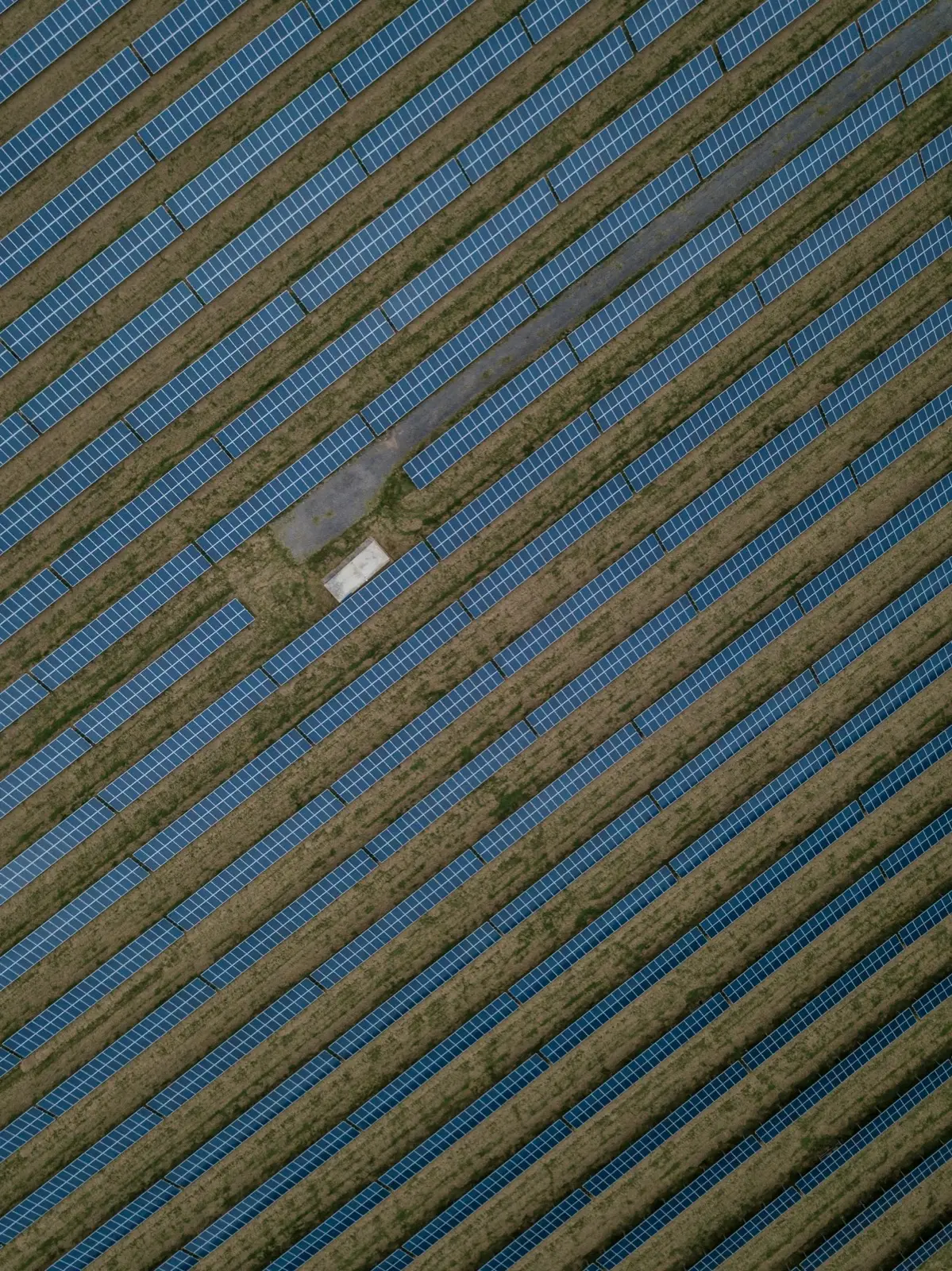
Row by row, from the sky.

192,456 bifacial N-type modules on fixed-tilt structures, facing south — 117.4 MWp across both sites.

03

Every row, connected.

Cables run through trenches to the inverters and the on-site high-voltage transformer.

04

Storage, set down.

A 186 MW / ~760 MWh battery system holds the midday surplus.

05

Solar by day. Power after sunset.

When the sun goes down and prices peak, the batteries keep delivering to the grid.

0MWp solar
0MWh storage

Illustrative visualisation — not to scale.

02 — Location

Gorj County, in the heart of Oltenia.

Two parcels 3.7 km apart, on flat agricultural land near the Gilort river. Both sites connect to the same, already-existing 400 kV substation — Oltenia's historic energy hub, now turning to solar and storage.

Turburea · Tântăreni — site flyover
  • Turburea · 84.2 ha · PV
  • Tântăreni · 80.7 ha · PV + BESS
  • 400 kV substation
  • Watch on YouTube

03 — The sites

Two sites, one system.

Turburea is developed as a pure photovoltaic plant. Tântăreni hosts the battery storage and the high-voltage transformer through which both sites connect to the grid.

Site A

Turburea

Surface
84.2 ha
Technology
Photovoltaic
Grid connection
33 kV cable along DJ661 to the 400/33 kV substation
Site B

Tântăreni

Surface
80.7 ha
Technology
Photovoltaic + 186 MW BESS
Grid connection
Own 400/33 kV substation, 3 km 400 kV cable to Țânțăreni
Turburea · 84.2 haTântăreni · 80.7 haBatteries · 186 MWȚânțăreni 400 kV substation400 kV cable · 3 km33 kV cable · ~5 km400/33 kV · 300 MVAN1 km

How the sites connect.

Both parcels feed one on-site 400/33 kV substation at Tântăreni. A 3 km underground 400 kV cable — laid along public farm roads — links it to a new bay in the existing Țânțăreni substation. No new overhead lines are needed. Surface rights on the private parcels along the cable route are already registered in the land book.

  • Solar parcels
  • Battery storage · 372 containers
  • 400/33 kV substation · 300 MVA
  • 400 kV underground cable · 3 km
  • 33 kV cable linking Turburea
  • Existing Țânțăreni 400 kV substation

Schematic based on the grid-connection solution study and the parcel survey; not a construction drawing.
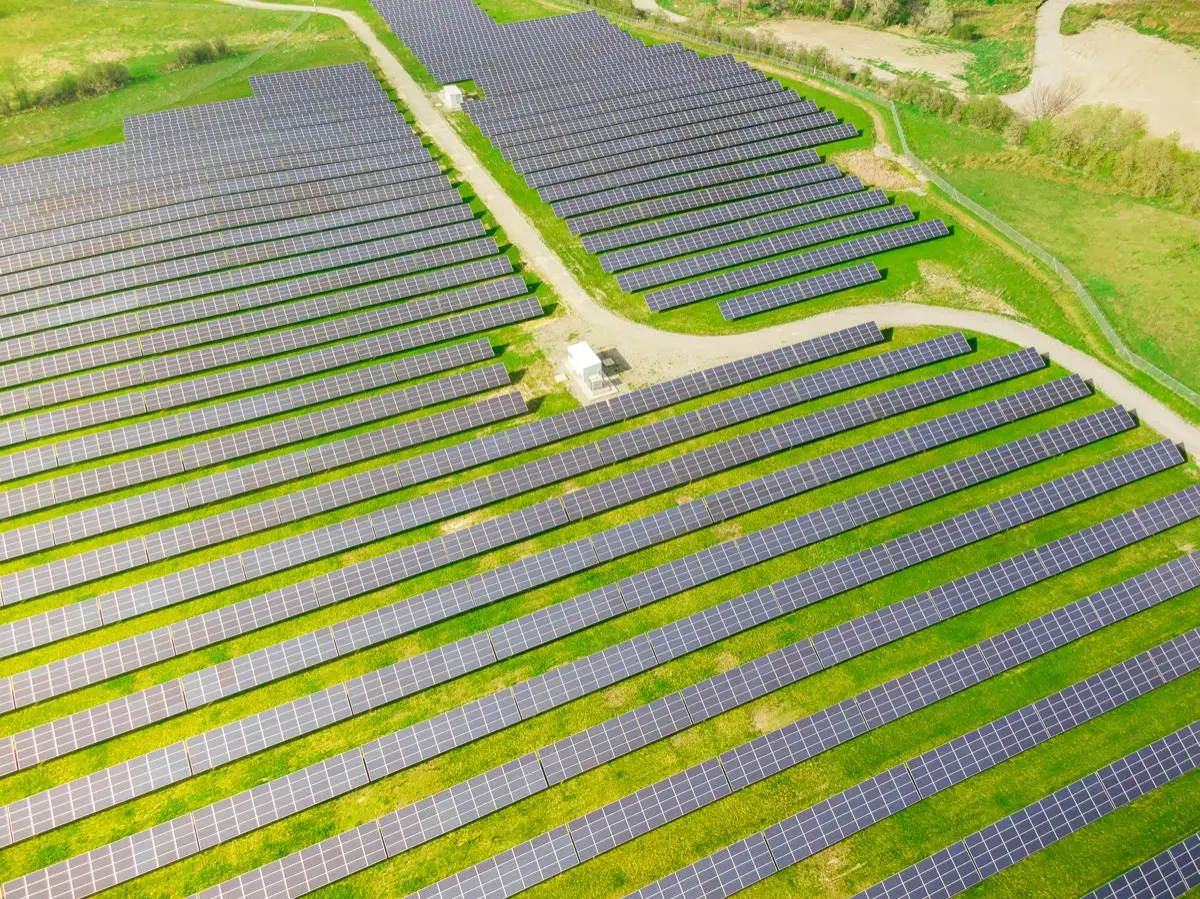
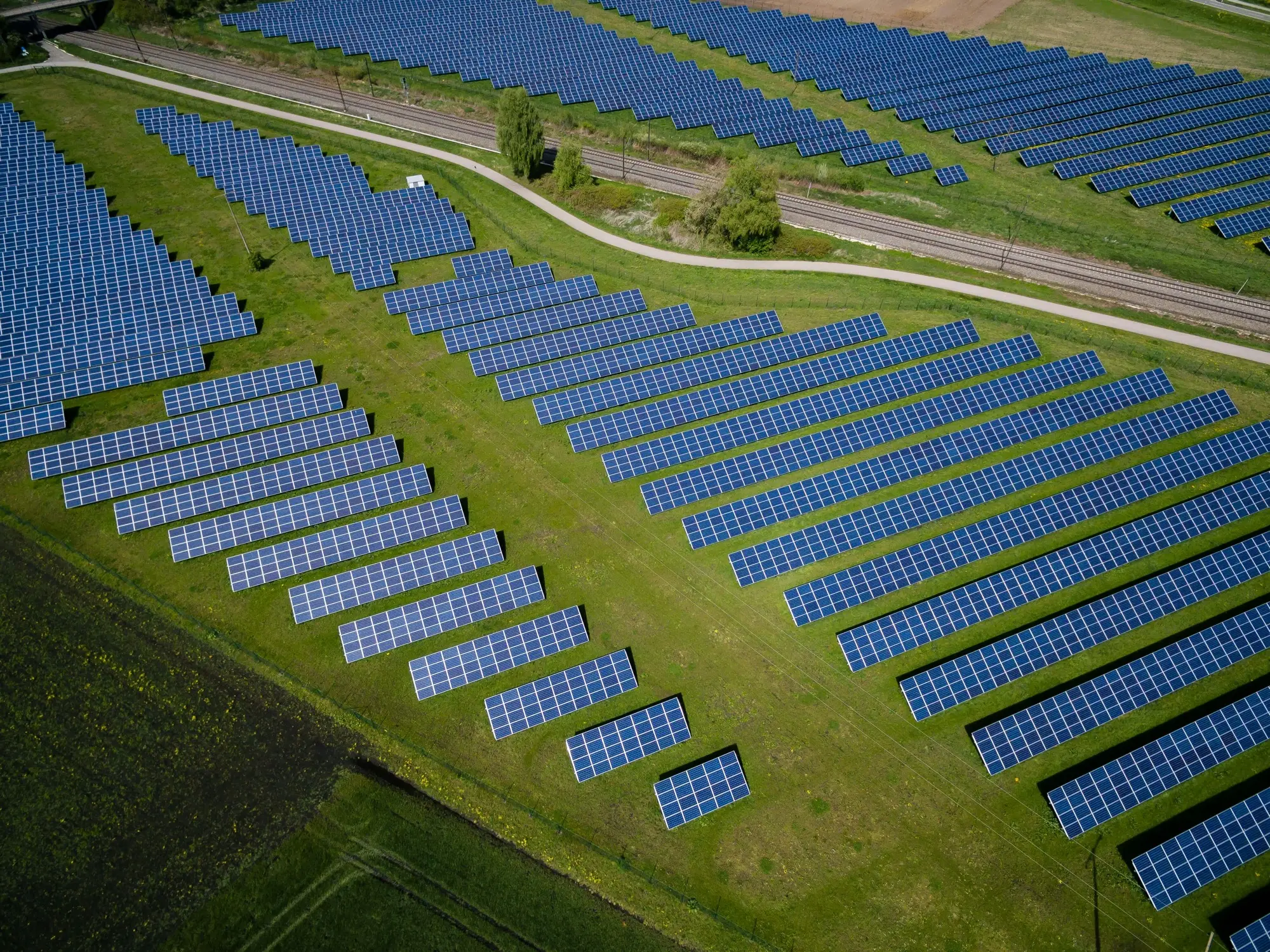
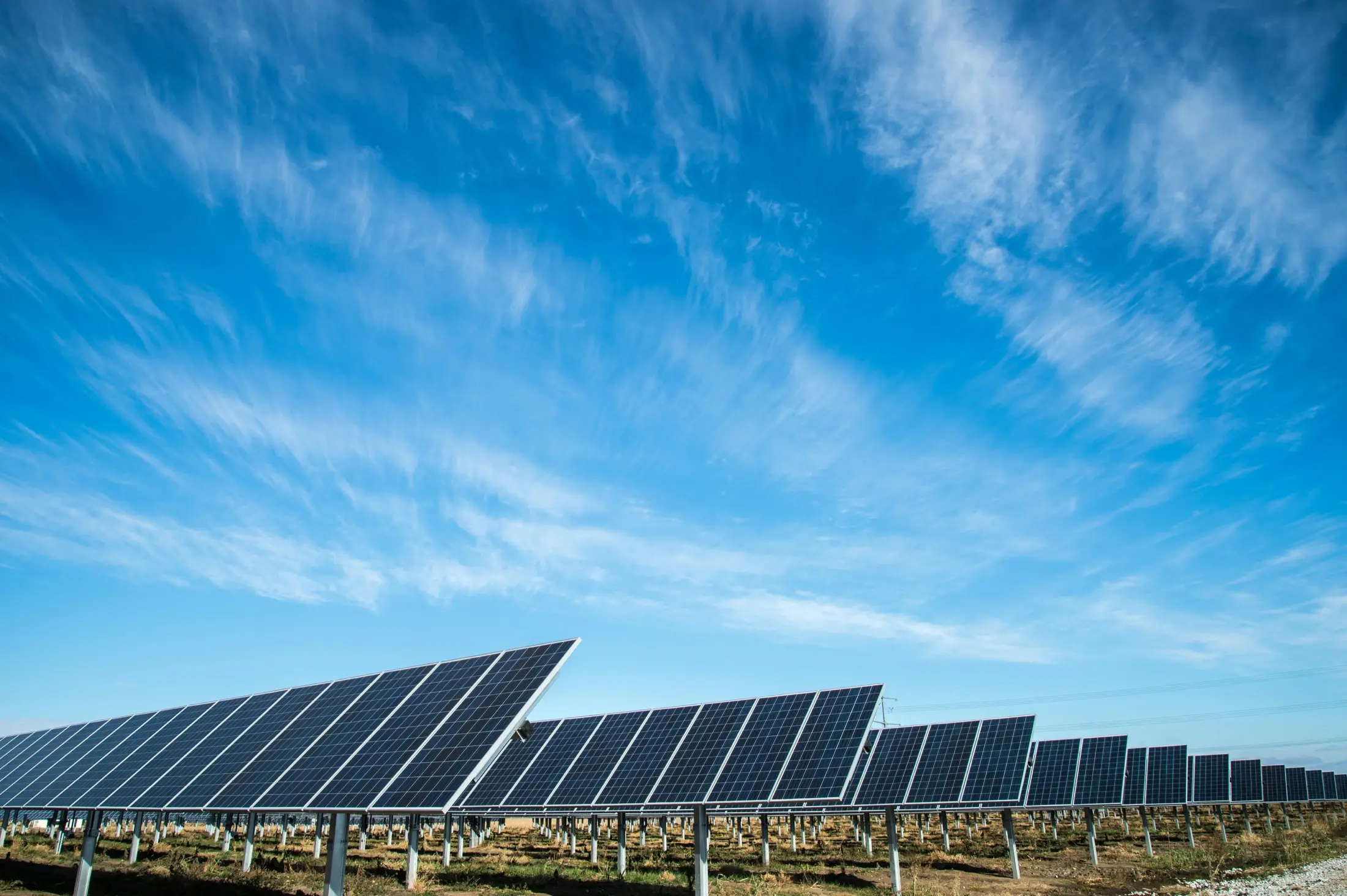
Utility-scale bifacial solar arrays
117.4 MWp

Solar generation

192,456 Jinko Tiger Neo bifacial N-type modules on fixed-tilt structures across both sites.

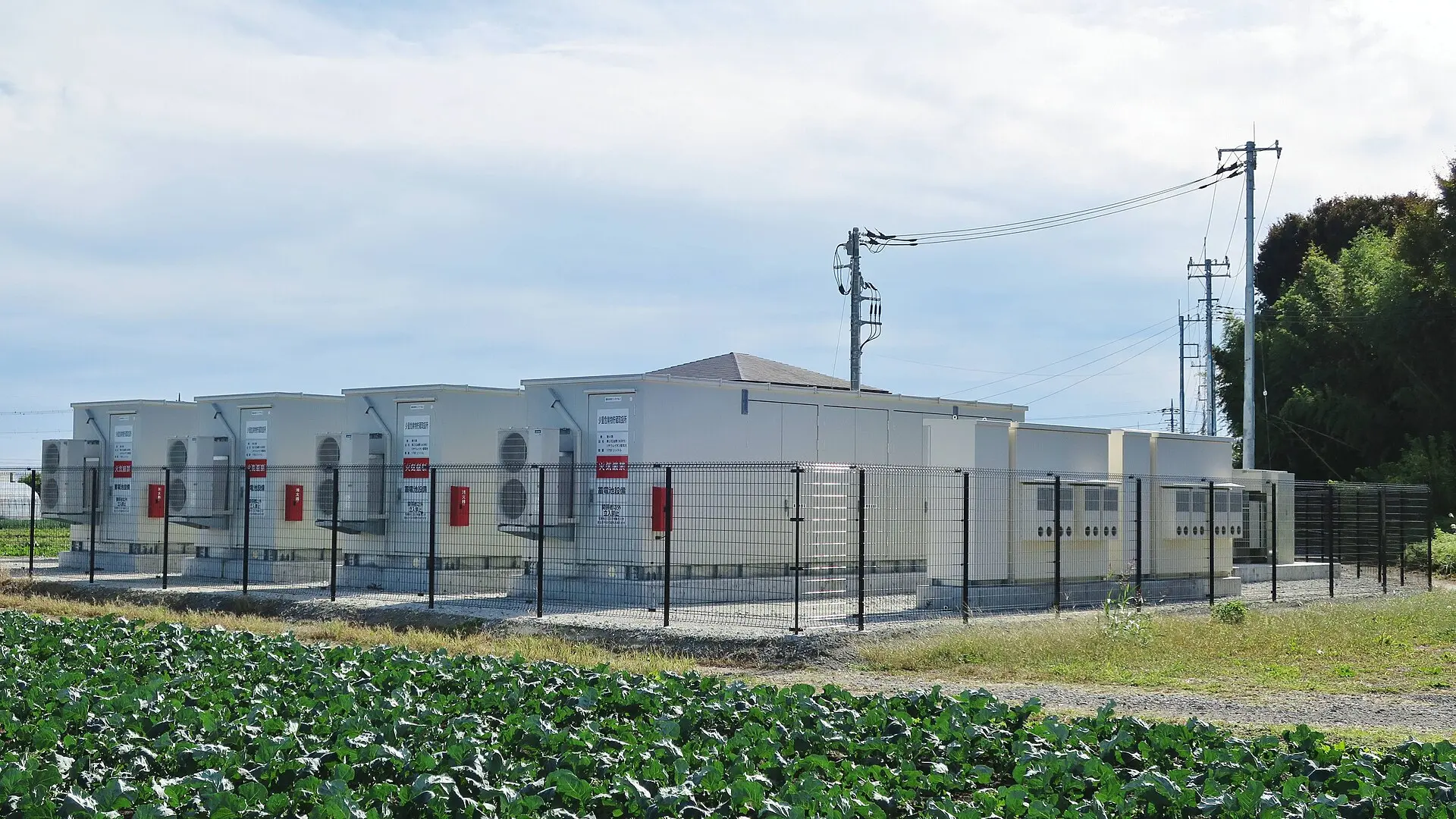
Containerised battery energy storage station
186 MW · ~760 MWh

Battery storage

372 battery containers at Tântăreni, with about four hours of full-power discharge.

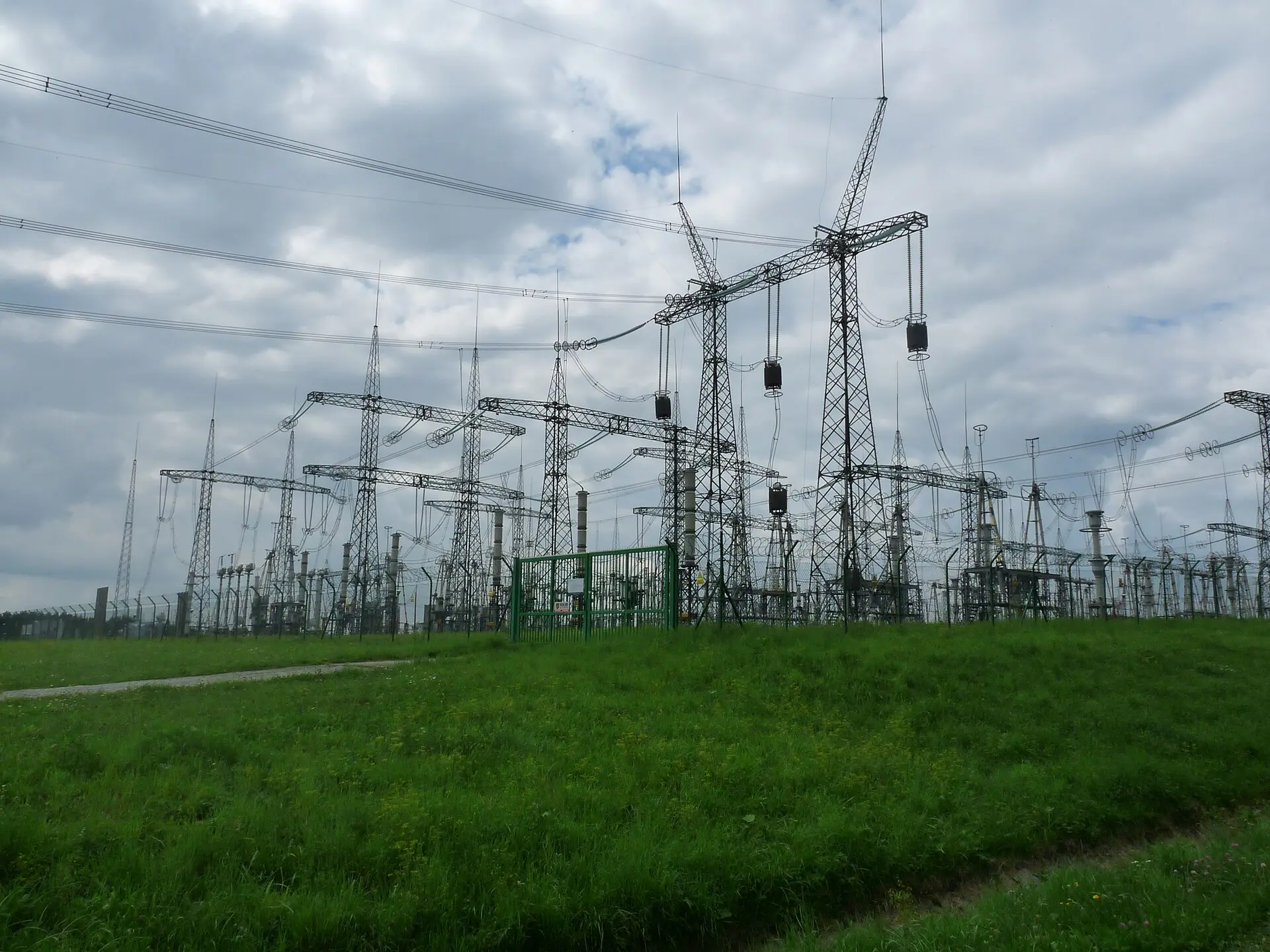
400 kV high-voltage substation
400 kV

Grid connection

Own 400/33 kV, 300 MVA substation, linked by a 3 km 400 kV cable to a new bay at the existing Țânțăreni substation.

Indicative technical configuration

PV capacity117.4 MWp DC · 102.4 MW AC
Battery storage186 MW / ~4 h (~760 MWh, 372 containers)
ModulesJinko Tiger Neo N-type bifacial, 610 W (192,456 modules)
Inverters25 SMA Sunny Central 4000/4400 UP central inverters
MountingFixed-tilt, 2-in-portrait (2V)
Grid connectionNew 400 kV bay at Țânțăreni; own 400/33 kV, 300 MVA substation; 3 km 400 kV cable
Land & cable routeSurface rights (superficie) for both sites; surface rights registered on the private parcels along the 33 kV cable route (cadastral survey, Feb 2025)
Approved export285 MW (317 MVA); import 189 MW
Estimated generation147.9 GWh / year

Equipment as listed in the connection permit (ATR); it may change during detailed engineering.

04 — Path to COD

Where the project stands today.

  1. Completed

    Solution Study approved

    Connection solution approved by Transelectrica's technical committee (CTES opinion 184/15809, 11 April 2024).

  2. Completed

    Connection permit & contract

    ATR 81/30618 issued on 21 June 2024 (since extended); connection contract 25560 signed with Transelectrica on 20 June 2025 for 285.3 MW of export, final stage by 31 December 2030.

  3. In progress

    Urbanism & permitting

    Zoning and permitting procedures leading to the Building Permit.

  4. Next

    Ready-to-Build & ANRE licensing

    Post-RTB step, started once the Building Permit is obtained and taking up to 2 months.

  5. Next

    Commercial operation (COD)

    Within 16 months from the start of EPC works.

05 — Investment snapshot

Realistic numbers, conservatively forecast.

Our 15-year presence on the photovoltaic market and the long-term investment experience of our partners underpin a realistic, yet conservative, cash-flow forecast.

EPC offer (2024) €0.94/Wp Turnkey price quoted for PV + 2 h storage; excludes the 400 kV substation and cable
Grid connection cost €5.42M + VAT Fixed by the ATR, grid reinforcement included
Connection Permit 21.06.2024 ATR 81/30618 for the 400 kV connection, since extended

Full financial model available under NDA

Detailed CAPEX breakdown, BESS revenue assumptions and the full cash-flow forecast are shared with qualified investors in the Information Memorandum.

Request Information Memorandum

Hybrid advantage

When the sun sets and prices peak, the battery keeps delivering.

Request Information Memorandum

06 — Next steps

Request the Information Memorandum.

Tell us a little about yourself. We will reply with a non-disclosure agreement, followed by the full Information Memorandum and access to the project documentation.

Ion Steaburdea

Project contact

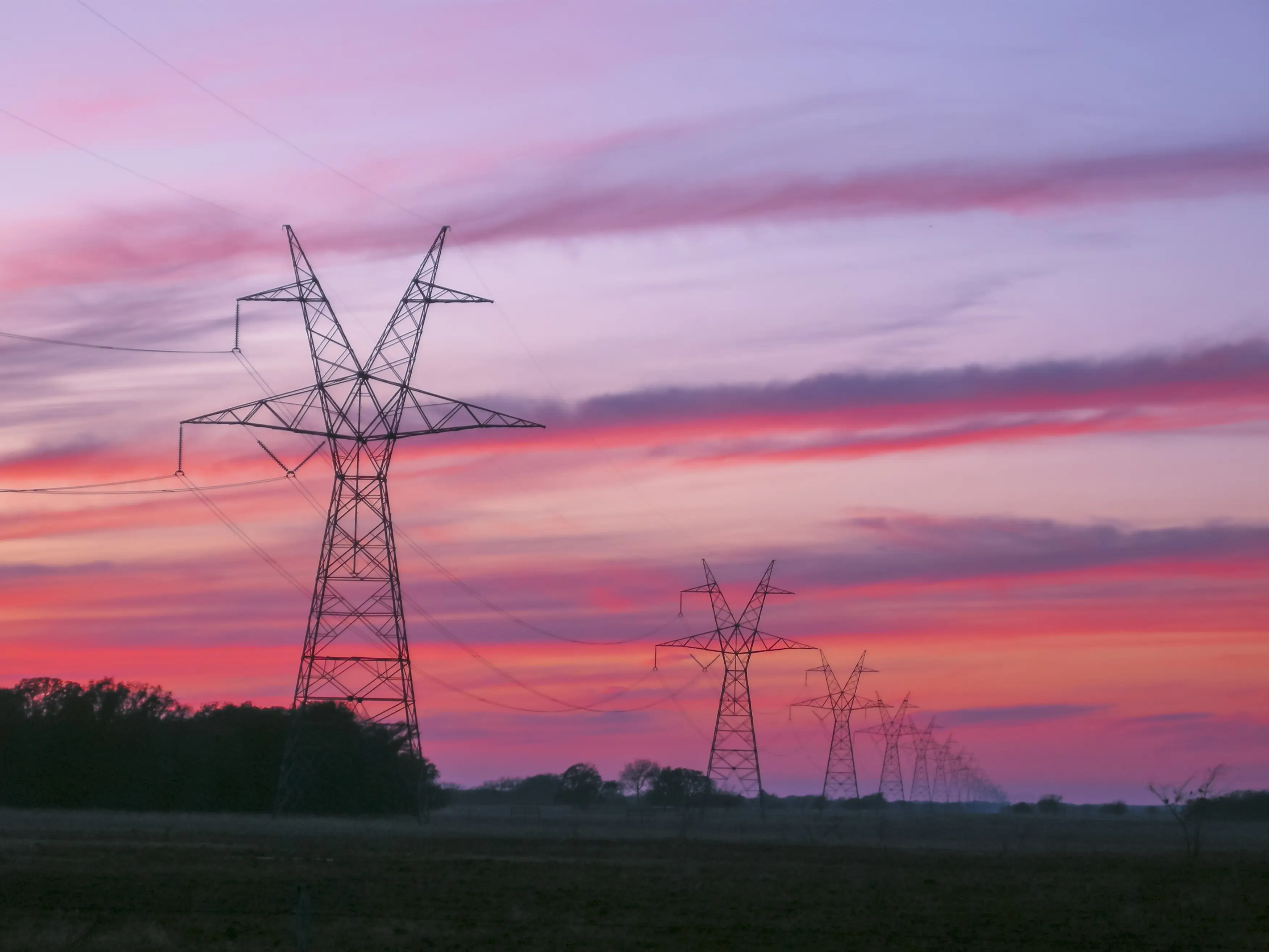
Sources. 1. Transelectrica data via Romania Insider, Aug 2026. 2. pv magazine, Aug 2025; European Commission state-aid decision, Mar 2026. Photos: battery station — Qurren, CC BY-SA 4.0; 400 kV substation — Matchmielu, CC BY-SA 4.0; transmission towers at sunset — CC BY-SA 4.0, via Wikimedia Commons; solar arrays — Unsplash. All project figures are indicative and subject to due diligence. This website does not constitute an offer or solicitation to buy or sell any security or asset.